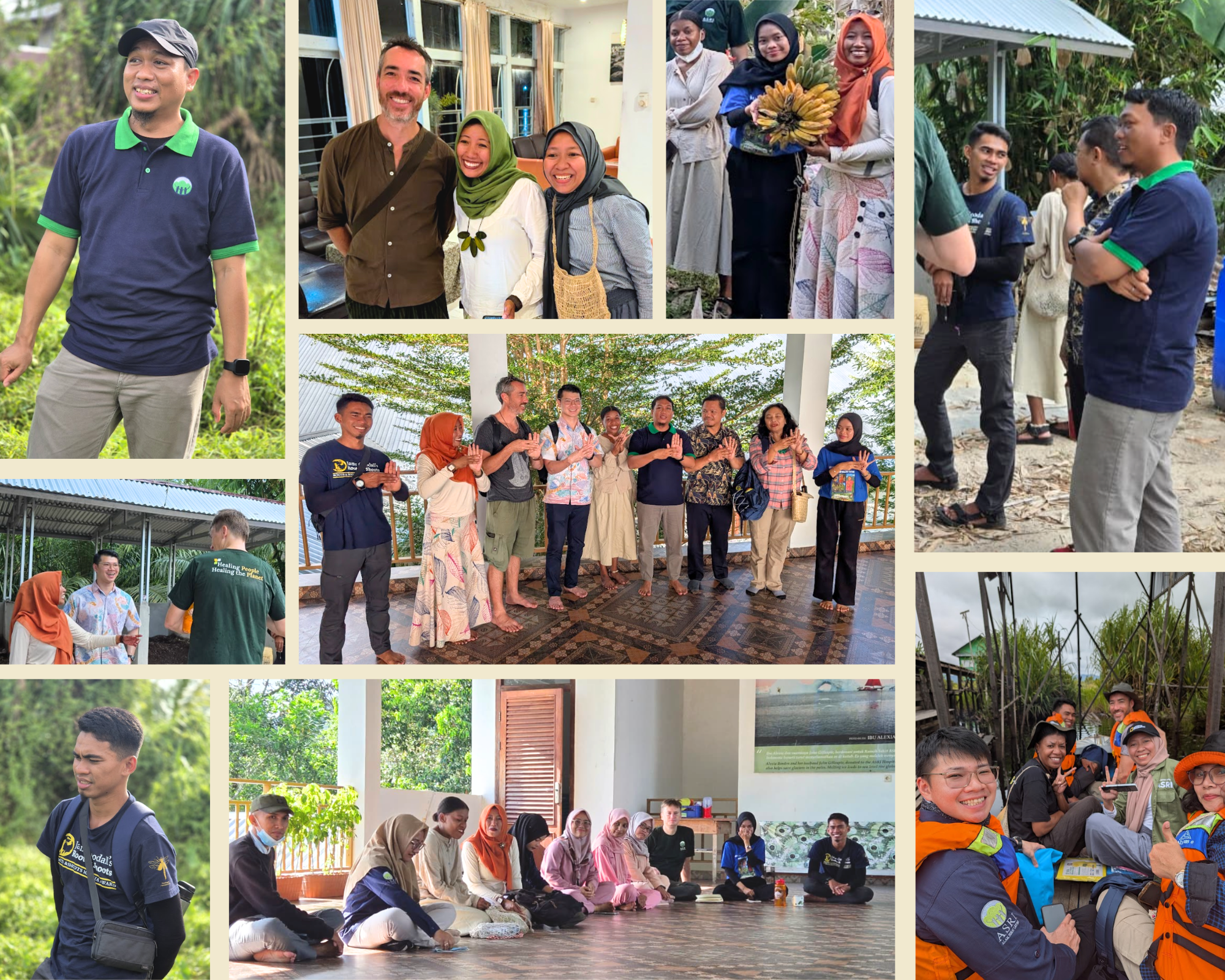
Reflections from ASRI Learning Journey
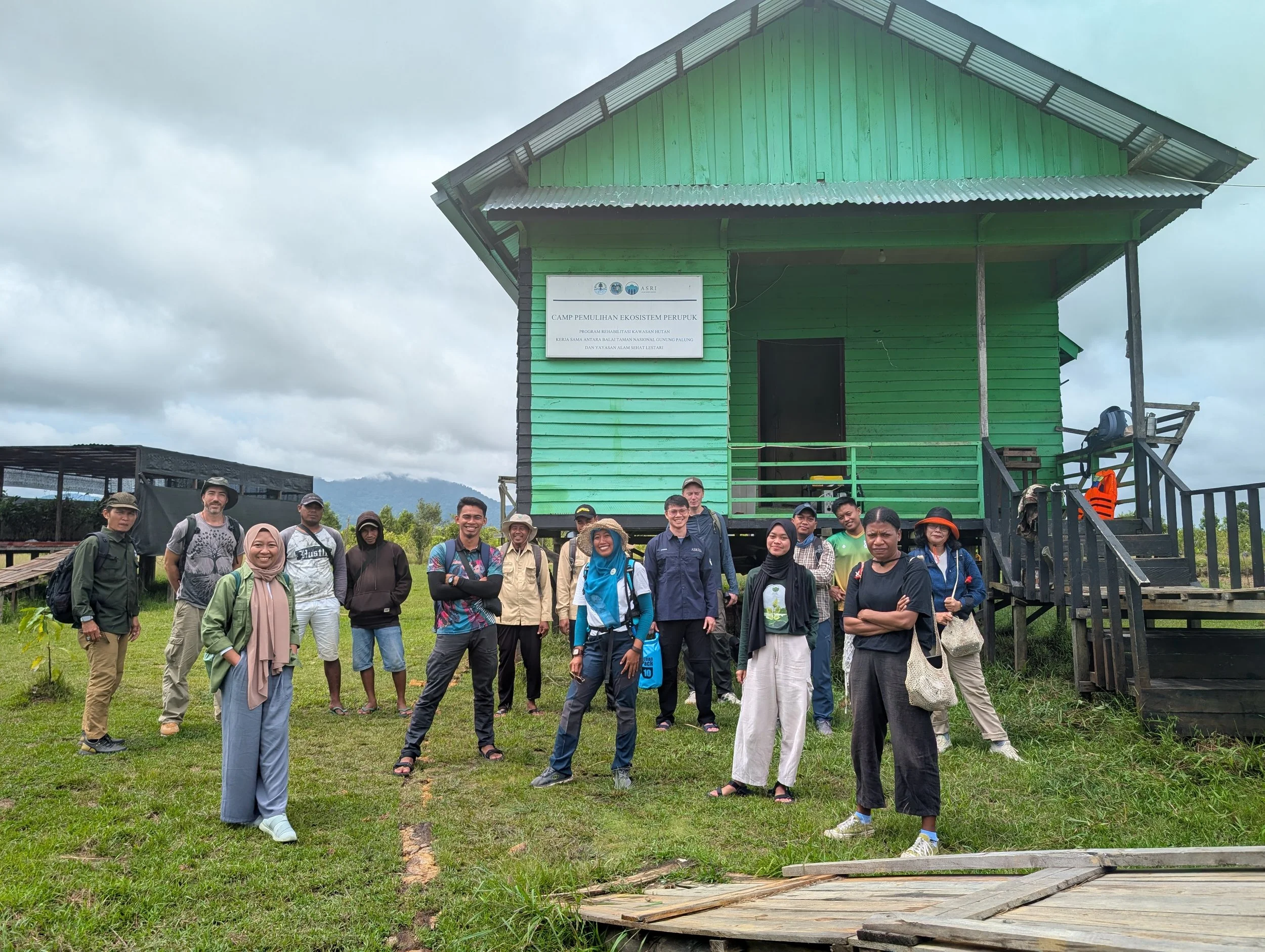
Group photo
“I was deeply impressed by ASRI's holistic and inclusive approach. They don't focus solely on health or environmental issues but understand that both are interconnected and impact community well-being. I also felt a tremendous amount of positive energy and enthusiasm from the ASRI team. They are truly dedicated to serving the community and preserving nature.”
Yohana Tarkuo
Introduction
Mana Impact together with Pai Seedlings, A Little Wild and Bumma Namblong had the opportunity to visit Alam Sehat Lestari (ASRI), a non-profit organization located in Sukadana, West Kalimantan (Borneo), near the magnificent Gunung Palung National Park in February 2026.
With nearly two decades of work in the region, ASRI has become an inspirational leader in their work integrating community health and well-being, planetary conservation, and environmental education. The Learning Journey was designed as a mutual exchange — not only for us as visitors to learn, but to cultivate deeper collaboration within our mutual care community. The journey demonstrated that healing people and healing the planet are not separate endeavors, but deeply interconnected pursuits.
About ASRI
ASRI is a creative non-profit located in the town of Sukadana in Kalimantan Bharat (West Kalimantan) province close to the magnificent Gunung Palung National Park, on the western side of Borneo Island. They have worked in the town for nearly two decades and their impact on the local town is difficult to miss, with locals sharing their pride and multi-year involvement with ASRI organically.
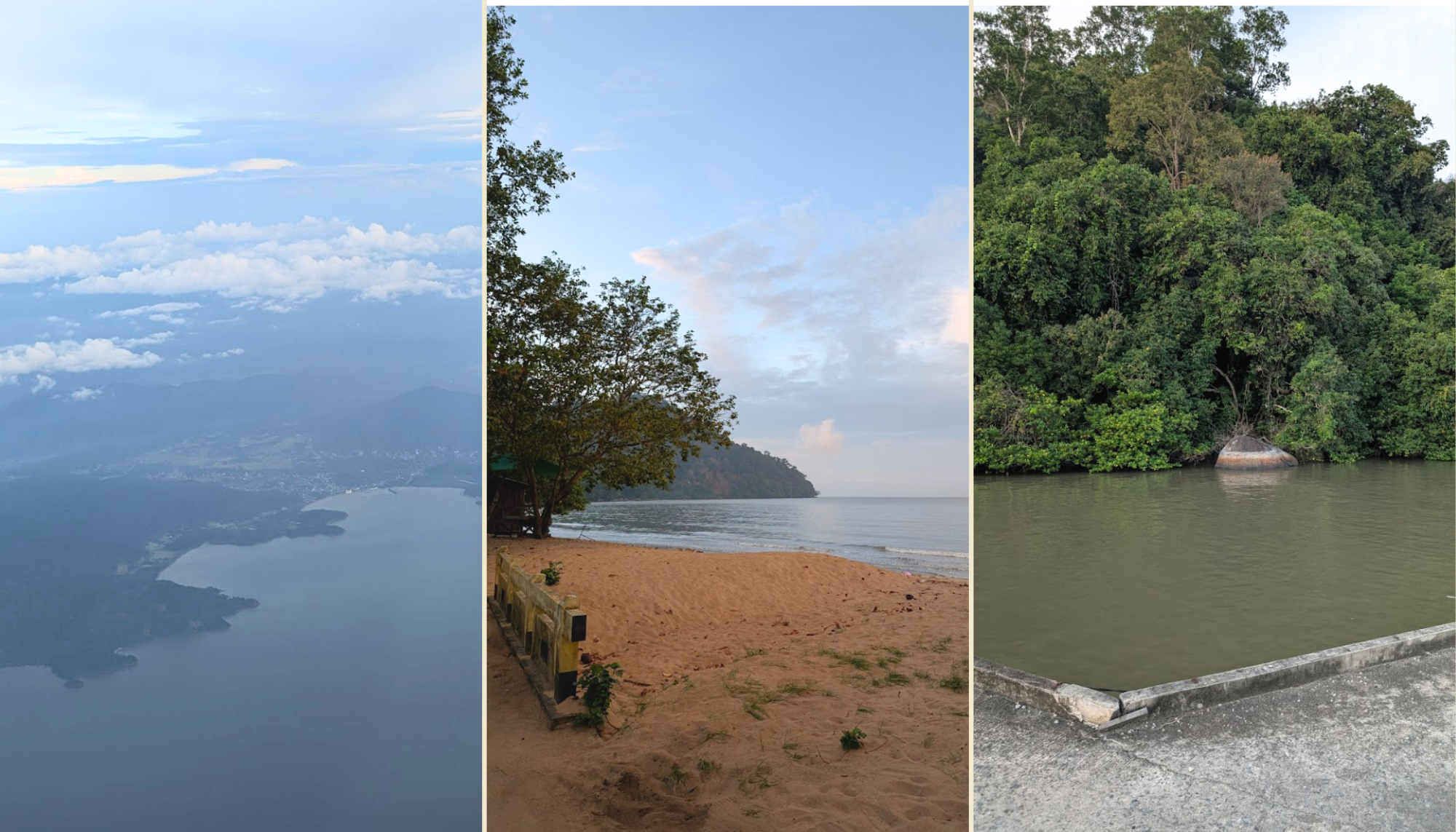
Sights in Sukadana. (1) From the Air (2) The beach (3) The Mangroves
On a practical level ASRI operates from a Radical Listening approach of the local communities, which allows them to get genuine insights into the people’s needs and desires, and build trust with the local populations.
“I am very impressed by two aspects of ASRI’s programs: First, the very simple architecture of the projects themselves, which seems to make it easy for beneficiaries to understand the benefits and expectations. Then there are the very creative ways in which the programs incentivize participation from beneficiaries, which seem to explain the scale at which they are able to operate. I think this is an outcome of their initial radical listening process and testifies of a creative program design phase.”
Damien (Pai Seedlings)
The expressed needs of the population that ASRI works with were:
Access to affordable health care
Sustainable Agriculture to stop slash and burn
Forest Guardians to fight against illegal logging and poaching
ASRI’s Programs
The ASRI Clinic in Sukadana gives people and communities affordable access to health care, with options to pay with tree seedlings and compostable materials (which are used in the reforestation programs), and discounts for villagers who engage the most in the conservation work in and around the National Park.
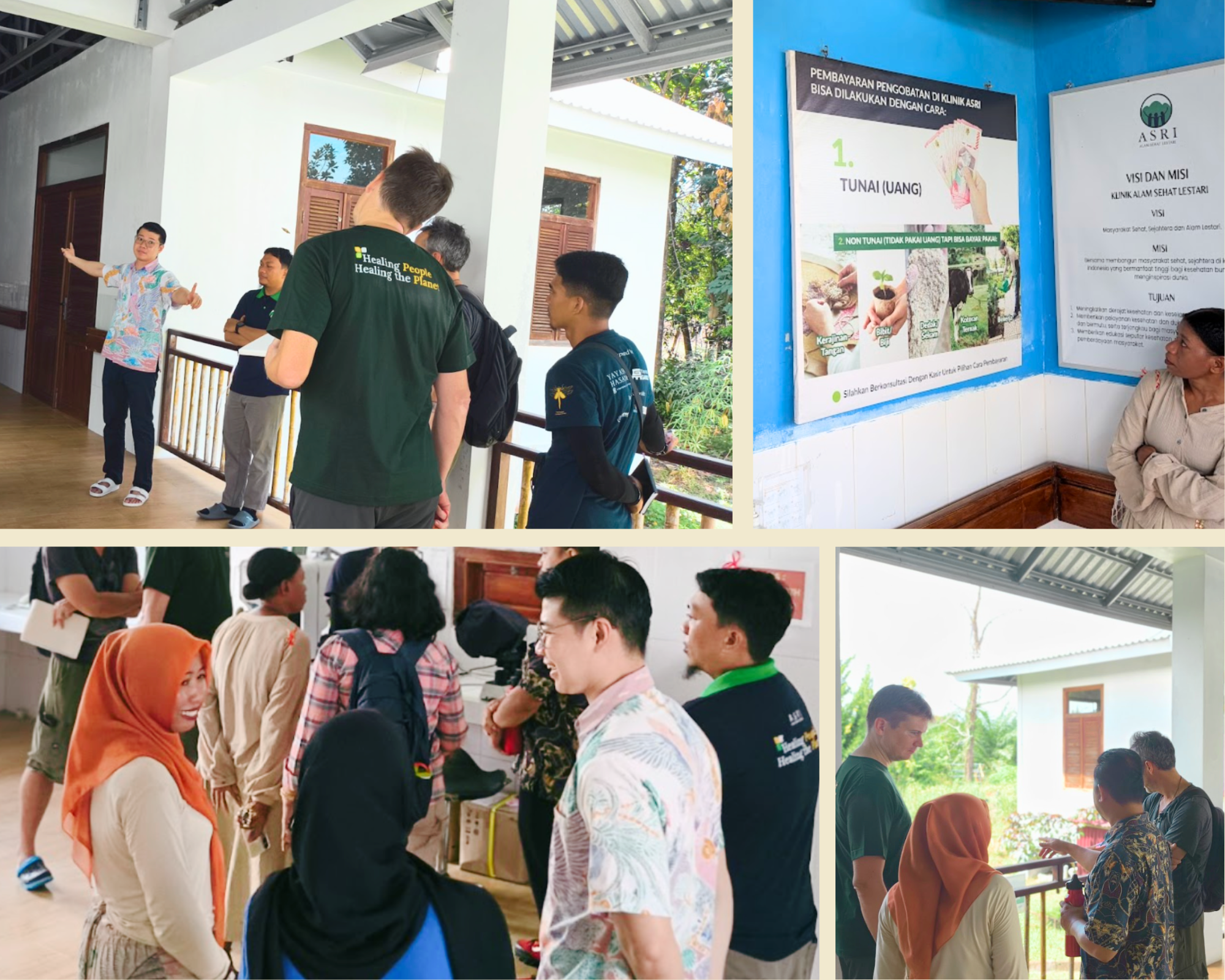
Pictures from the ASRI Clinic during our tour
“I was deeply impressed by ASRI's holistic and inclusive approach. They don't focus solely on health or environmental issues, but understand that both are interconnected and impact community well-being. I also felt a tremendous amount of positive energy and enthusiasm from the ASRI team. They are truly dedicated to serving the community and preserving nature.
In particular, I really enjoyed visiting the ASRI clinic and interacting with the medical staff. I saw how ASRI provides quality and affordable healthcare to the community, even accepting payments in the form of tree seedlings or compost materials. I also learned about how ASRI integrates environmental education into their healthcare services.”
Yohana Tarkuo (Namblong BUMMA)
The Reforestation (Camp Pemulihan) program aims at reforesting forests that have been damaged by wildfires and/or abusive agricultural practices. The camp we visited is in a very remote area of the national park, which comes with serious challenges: dangers of crocodiles, logistics of bringing trees and workers, etc. So far, across it different reforestation sites since 2009, ASRI has planted 700,000+ trees (a mix of hard wood and fruits trees depending on future expected land use) and reforested 440 hectares. This has been made possible by the engagement of the local communities who are paid for the land preparation, tree planting, site maintenance and monitoring, and also provide a lot of seedlings from the clinic project.
“BUMMA Namblong also has a Forestry Unit, which operates activities of nursery, agroforestry planting, and forest patrols. By 2026, our Forestry Unit is committed to producing 44,000 seedlings and reforesting about 50 hectares of land. This forestry unit's activities will also explore the potential for ecotourism and nature exploration in the Namblong forest.
ASRI's Forest Guardian program will be interesting for us to continue learning about, as BUMMA Namblong also has forest patrols in its Forestry unit, and this will begin to be implemented more routinely in 2026, expanding to all six sub-regions by the Ku Defeng and Maybrang teams.”
Niken (Mitra BUMMA)
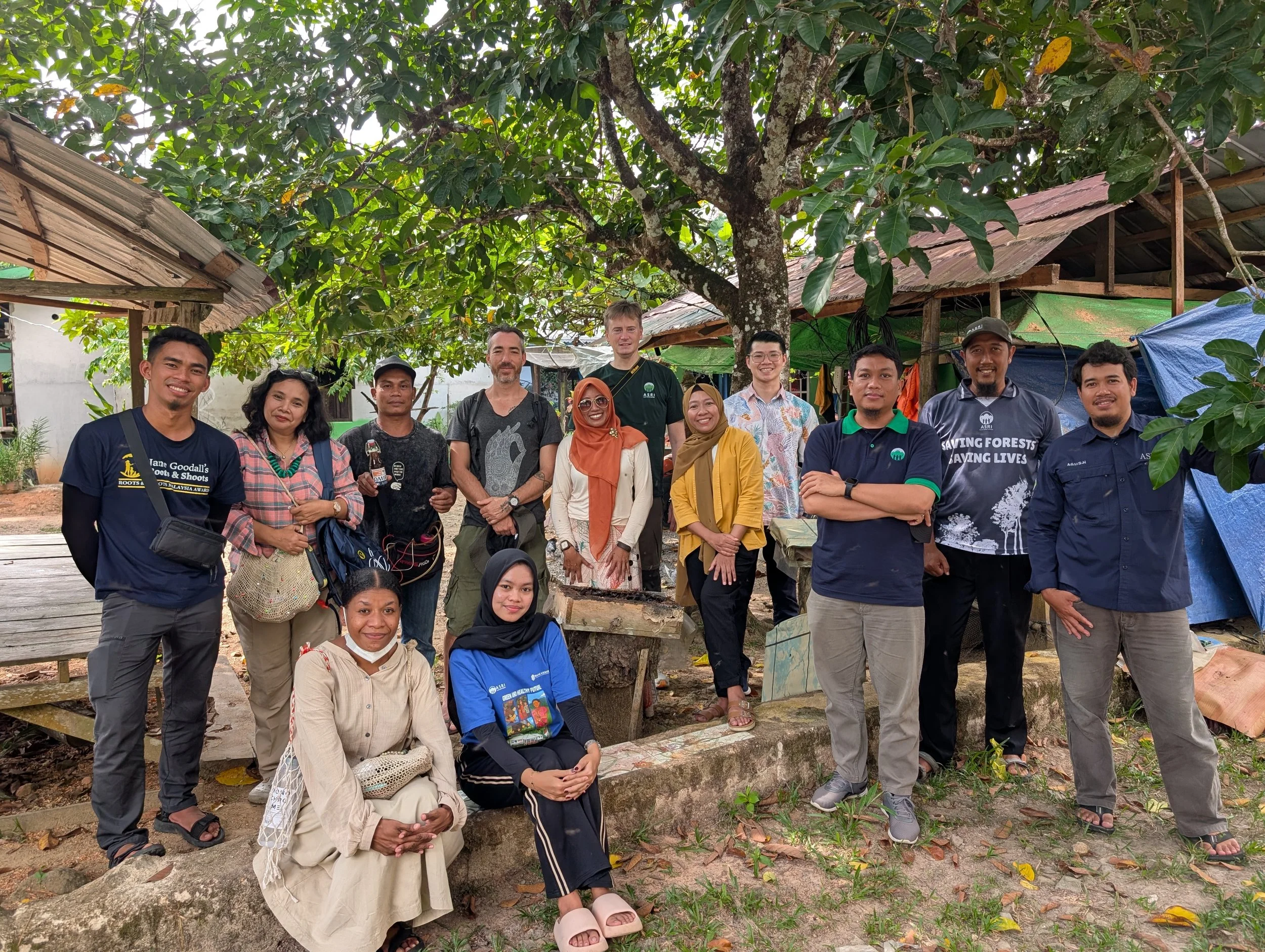
Visiting Amir, a former logger who gave up his chainsaw and is now selling honey
The Chainsaw Buyback program incentives loggers to give up logging in protected areas in exchange for material investments (up to 4 millions rupiahs), 0% 2-year loans (up to 6 million rupiahs) and mentoring/training/networking to help them start a local business.
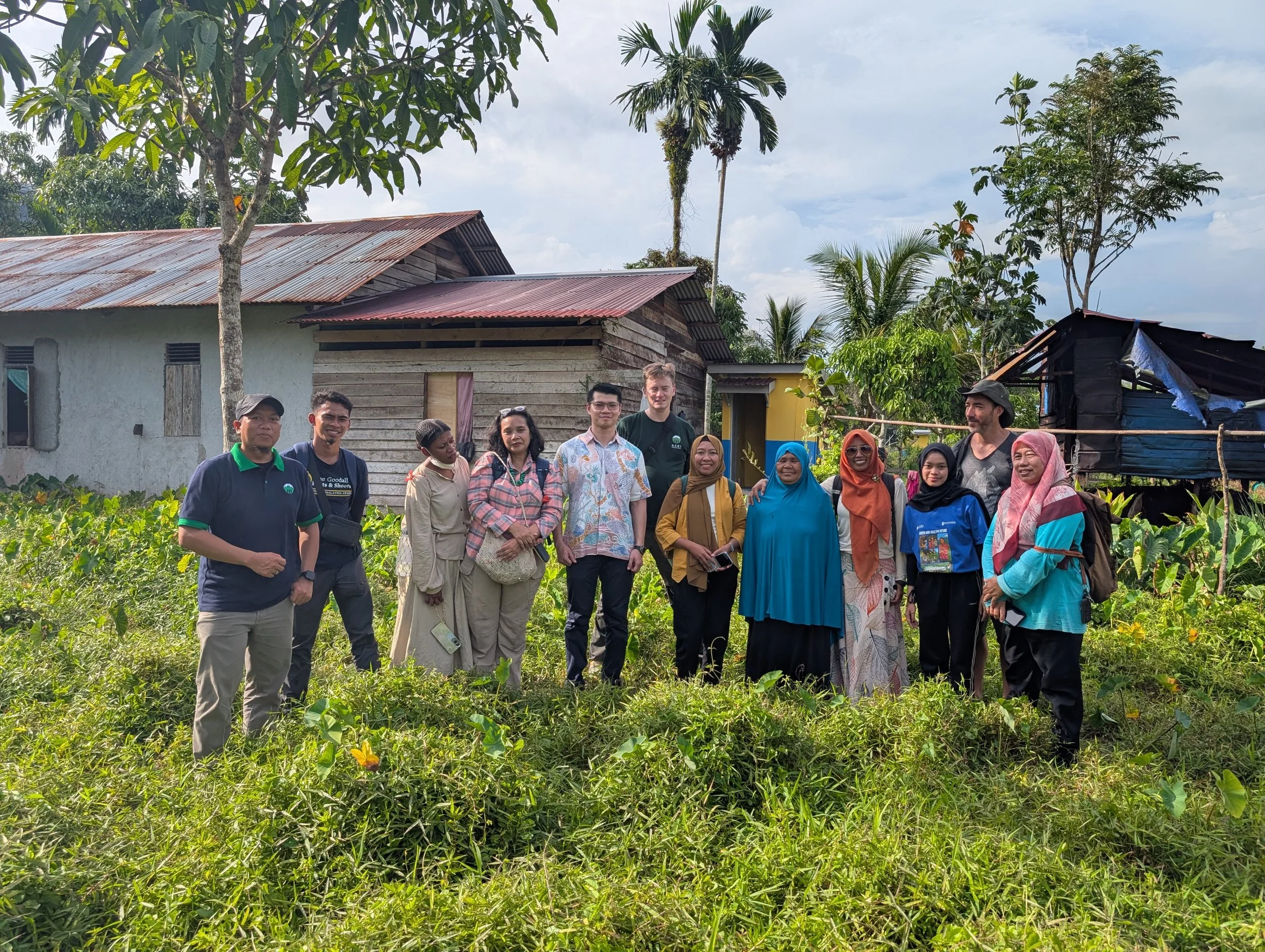
Visiting one of the beneficiaries from the Goats to Widows program.
The Goats for Widows program gives widows a goat to help them grow a small herd from which they can make income. As a male is also provided for each village, the goat population grows and the widows can sell animals to cover their life and medical expenses. The widows are only required to return one baby goat to ASRI, so that another widow may benefit from the program.
“I was interested in how ASRI managed to involve women in agriculture through [this] program. ASRI provides widows with goats, which are [easy animals] to take care of (especially in our climate), helping them make a living and keep their kids out of illegal logging. In other words ‘they can survive without harming nature’. It's different when it comes to Malaysia [where Mubin is based]. It is not about survival. We have to get them interested in sustainable living, even in Malaysia, where we are surrounded by accessibility – Easy to get education, medical treatment, food etc.
But there is still much to learn from this trip. We have been trying to get young people around us interested in farming, but there are a lot of less energy-intensive things that they could do, Like farm to table, tour guide, designing, nursery management etc. As long as they are interested. I hope that the spirit of ASRI and other beneficiaries change the world becomes better for nature and humans. It is also good for me to meet and make connections with others to open my mind.”Mubin (A Little Wild)
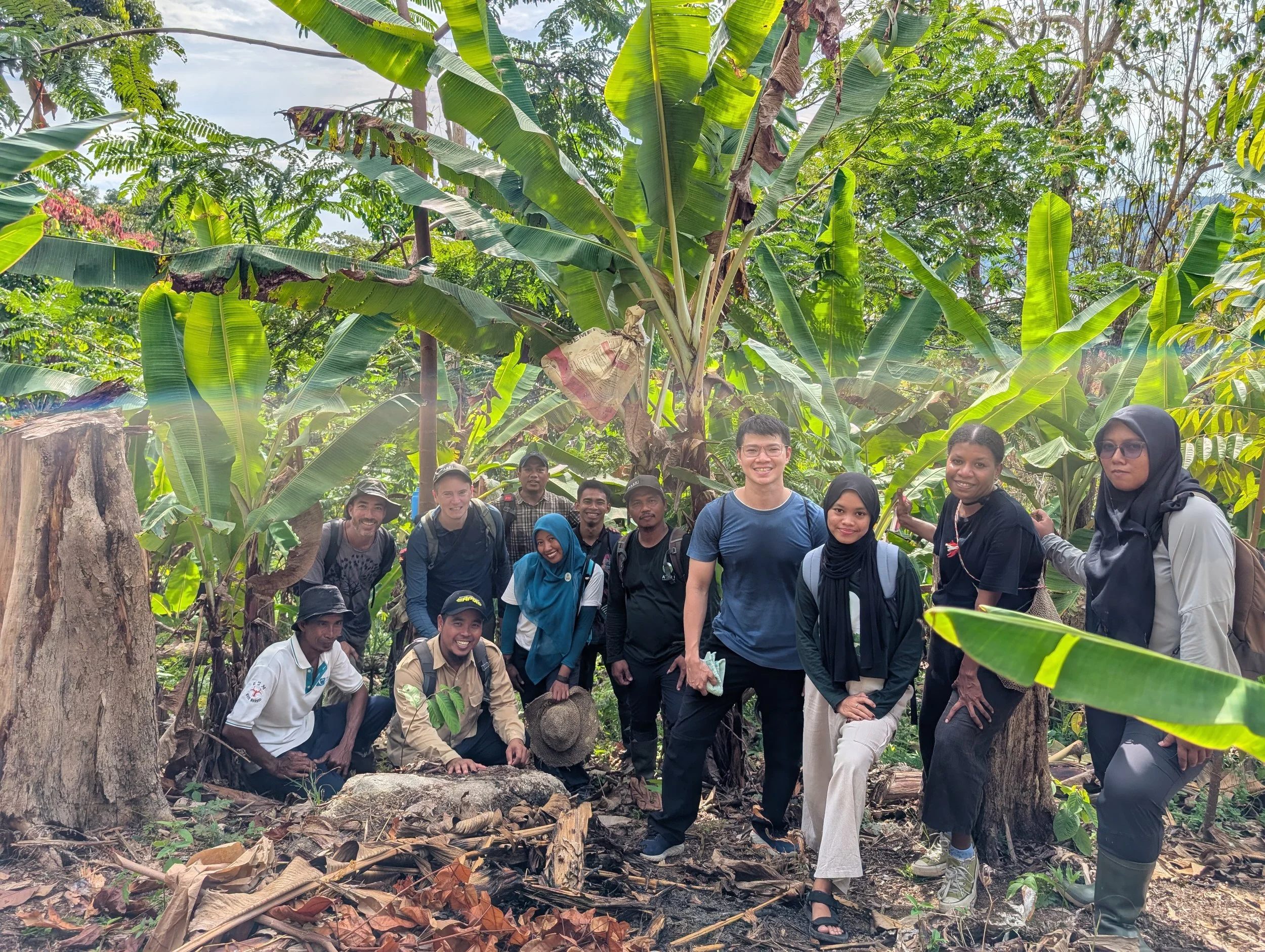
Visiting the Forest to Garden program inside the National Park forest